
The end of the golden era of industry in Slovakia? Analysts warn of the exhaustion of the old model
27.02.2026 11:56
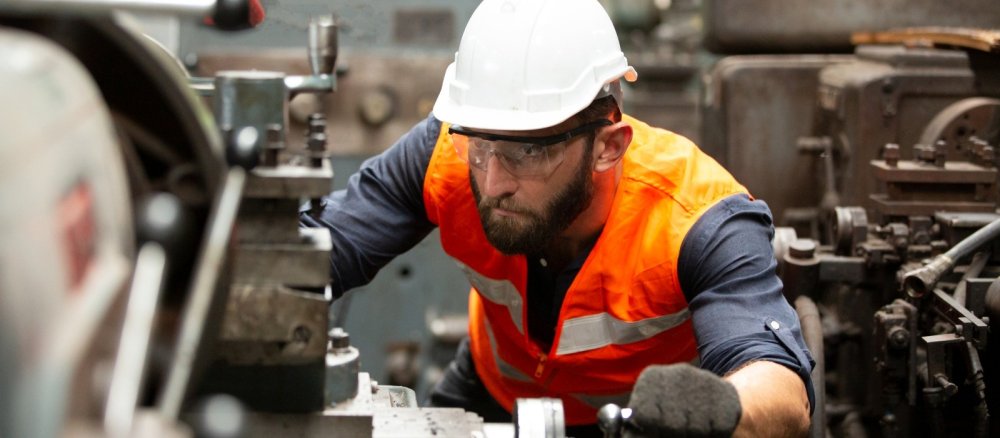
Slovak industry is facing a storm unlike any we have seen for years. Whereas until now we have been pulled along by exports and cheap energy, today we are struggling with expensive invoices, a cooling Germany and aggressive Asian competition. We have been finding out whether our key factories can return to growth, or whether a wave of downturn and the relocation of production abroad awaits us.
Source: aktuality.sk
For many years it was the engine of our growth, but today it is being held back by high energy prices, geopolitical uncertainty and „dried-up“ orders from Germany. Metallurgy, engineering, but also the energy sector report declines that cannot be ignored. Why have Slovak companies found themselves at a disadvantage compared to their neighbours, and when will this trend turn around? Read our survey with experts on the state and future of the locomotive of our economy.
The experts answered the following questions:
- What is the reason for the decline in industrial production over the entire past year?
- The worst-performing areas were electricity and gas supplies, the production of metals, the production of machinery and the production of electrical equipment. Why did precisely these sectors record a significant decline in production last year?
- Can it be expected that industry will not fare well this year either? Which sectors will be under the most pressure and why?
Andrej Lasz, Secretary General of the Association of Industrial Unions and Transport:
1. The decline in industrial production is a combination of external and domestic factors. Slovakia is a strongly export-oriented economy, so a slowdown in Germany and weaker demand in Europe are immediately reflected in the orders of our companies. The situation is worsened by geopolitical uncertainty, which holds back investment.
At the same time, however, it must be said openly that we cause part of the problems ourselves. The costs of doing business in Slovakia have risen significantly in the recent period as a result of consolidation measures, the introduction of the financial transaction tax, sectoral taxes and the addition of various mandatory costs, such as recreation and sports vouchers.
At the same time, Slovakia has the highest tax and levy burden in Central Europe, and in combination with high energy prices, production here is more expensive than in neighbouring countries. The business environment is less predictable, and this is directly reflected in declining production, the cancellation of investment plans and a reduction in the number of jobs.
2. In the case of energy supplies, objective factors also played a role, especially weaker production in hydroelectric power plants due to the weather, which affected the overall statistics of industry. At the same time, however, it holds true that energy-intensive sectors have long been paying the price for high electricity prices.
Slovak companies today buy electricity at approximately 110 euros per MWh, whereas in France it is around 40 euros and in Germany or Austria approximately 50 euros, since these countries directly subsidise the price of electricity for industry. With such a difference in costs, a Slovak producer has no chance of offering the same product at a comparable price on the European market.
In the case of metal production and metallurgy, it is precisely the price of electricity that determines whether production is profitable at all. If we have significantly higher prices than the competition in the EU, competitiveness is lost very quickly. At the same time, this is a sector closely tied to construction. If the production of iron or concrete is declining today, it is a signal that in half a year or a year there will not be as much building. That is also why these figures can be perceived as a litmus test of future developments.
Engineering and the production of electrical equipment, in turn, are directly dependent on investment. When companies in Europe postpone modernisation and new projects, Slovak producers are among the first to feel it.
3. If conditions do not change, energy-intensive sectors in particular will be under great pressure, because the differences in energy prices are too significant. The risk also concerns the automotive industry. Today we have orders roughly up to 2028, but decisions on new models are already being made now. Unless we secure them, production after 2028 may decline significantly. This does not mean that carmakers will leave Slovakia, but they may produce less, which will subsequently be passed on to the entire supply chain.
The key question will be whether the country's political representation adopts measures that support economic growth. We need to send a clear signal that the state is aware of the seriousness of the situation and has a plan for how to gradually reduce the tax and cost burden. Industry, as the engine of the economy, is still running for now, but if we keep pouring in worse fuel, adding new burdens to the wheels and keeping the handbrake on, it can hardly deliver better performance.
More in the article aktuality.sk

